
Your visit
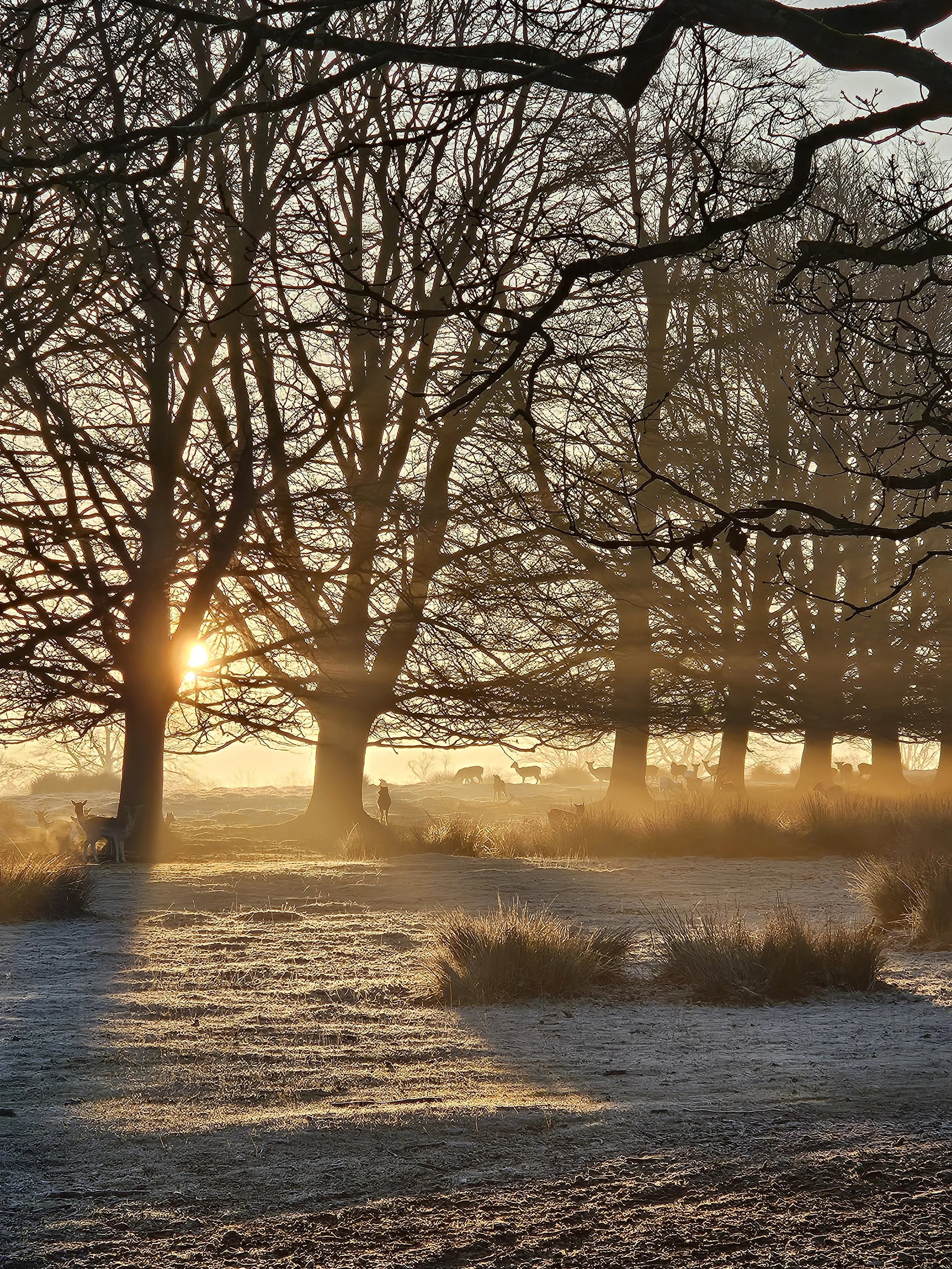
Visitors are welcome to Knole Park and to explore and enjoy the environment. The park is an ancient deer park which is managed as a habitat for trees, plants, wildlife and the resident herd of fallow deer. To help you enjoy your visit please take note of the following matters and follow the guidance to keep you and the environment safe.
Deer
Keep your distance from the deer; do not feed them, and keep dogs on leads. The deer are happiest left alone. They are wild animals and as such are not tame and may defend themselves if they feel threatened.
Trees
Do not climb on trees or cut branches from them. Many of the trees are nearly 200 years old and are beginning to deteriorate with age. They are surveyed regularly for safety but they need to be looked after.
Plants and wildlife
Leave plants and wildlife where they are in their natural environment. Some plants may have sap or seeds which are poisonous, so do not pick them.
Fallen branches provide an important habitat for wildlife, so leave them where they lie and do not move them around.
Ticks are small insects which feed on the blood of birds and mammals and they are present in many woodland and parkland environments. Check yourself and any dogs to make sure that ticks are not present on skin surfaces and, if so, remove them carefully in accordance with NHS advice and check if you need to take any further action.
Please do not light fires because this will damage the plants and there is a significant risk that a fire may spread.
Please take any waste away with you including bagging and taking away any dog waste, so that items of litter or other waste are not left where they may cause harm to plants and wildlife.
General nature of the park
The park is a rural environment and, as such, it contains areas of uneven or slippery ground, steep banks, animal scrapes and holes, tree roots, areas of dense and prickly vegetation, ponds, and other natural features. There are a number of roadways and tracks throughout the park, and the nature of these is in keeping with a rural environment of this sort. You can choose where you go in the park but make sure that you are comfortable that the surface conditions are suitable for you, that you supervise children, that you close any gates behind you, and that you do not swim in ponds.
Other users of the park
Other people are likely to be present in the park and carrying out a range of activities, so please be aware of what else is happening around you and follow any signs, or guidance which is given to you by people working in the park. In particular, note the following points:
Horses – horses and their riders may be present in the park, so keep away from horses and make sure that any dogs are on leads and under control.
Golfers – part of the park is used as golf course. Look out for signs advising you of where golfers may be hitting golf balls and follow any guidance which golfers may offer about when to pass by.
Maintenance workers – people may be present in the park with and without vehicles and work equipment to carry out maintenance to trees, tracks, fences, and to the park generally. Please keep away from work equipment and areas where work is taking place, and follow advice on signs and any guidance from workers about when to pass by.