Knole Estate wildlife
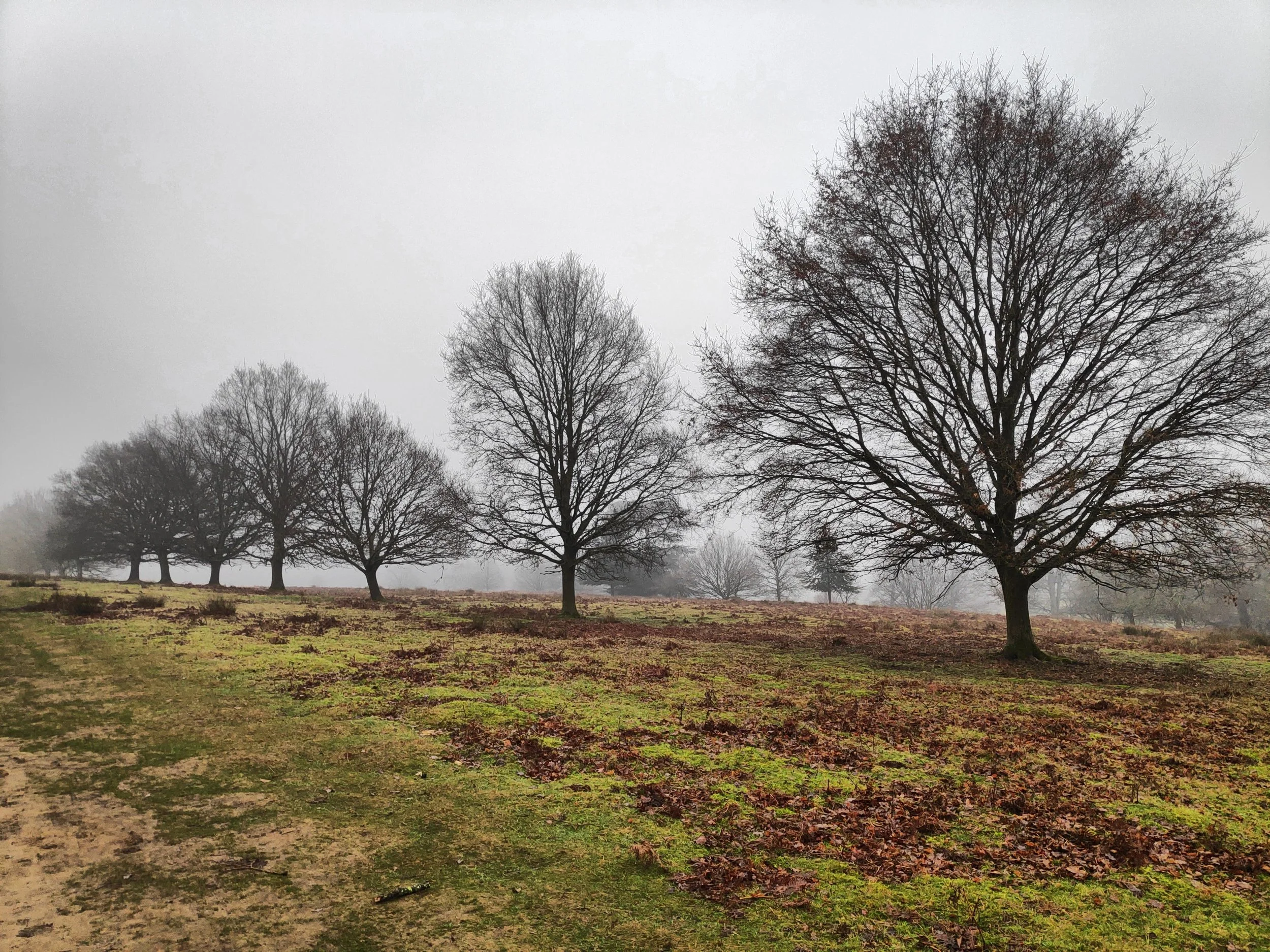
Knole Park is remarkable for its continuity of habitat and management which has led to the park supporting a saproxylic invertebrate fauna that is regarded as the best in Kent. The site is also recognised as being rich in fungal flora. The park represents a priority habitat for wood pasture and parkland with areas of the priority habitat lowland acidic grassland found along the Broad Walk and Chestnut Walk as well as in the centre of the park. The Knole Estate’s common land and outside woods are also important habitats for rare flora and fauna.
Flora and fauna
-
Birds
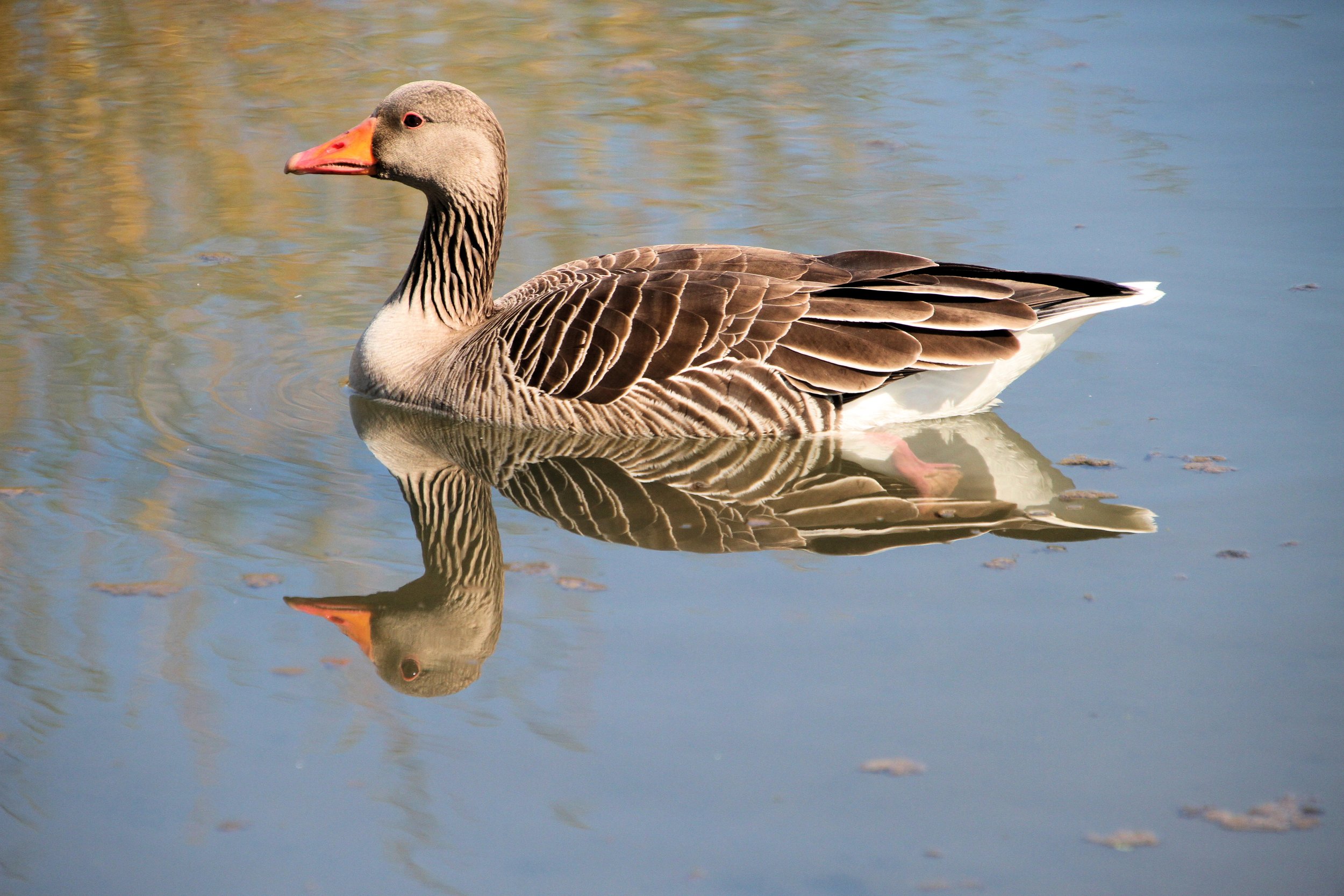
Among the many species of birds found in the park and surrounding woodland are nuthatch, green woodpecker, greater spotted woodpecker, greylag geese, chiff chaff, yellowhammer, goldcrest, redwing, siskin and redpoll. Mistle thrush have also been spotted in the park. A couple of invasive species, the Egyptian goose and the ring-necked parakeet can also be found in the park from time to time.
-
Invertebrates
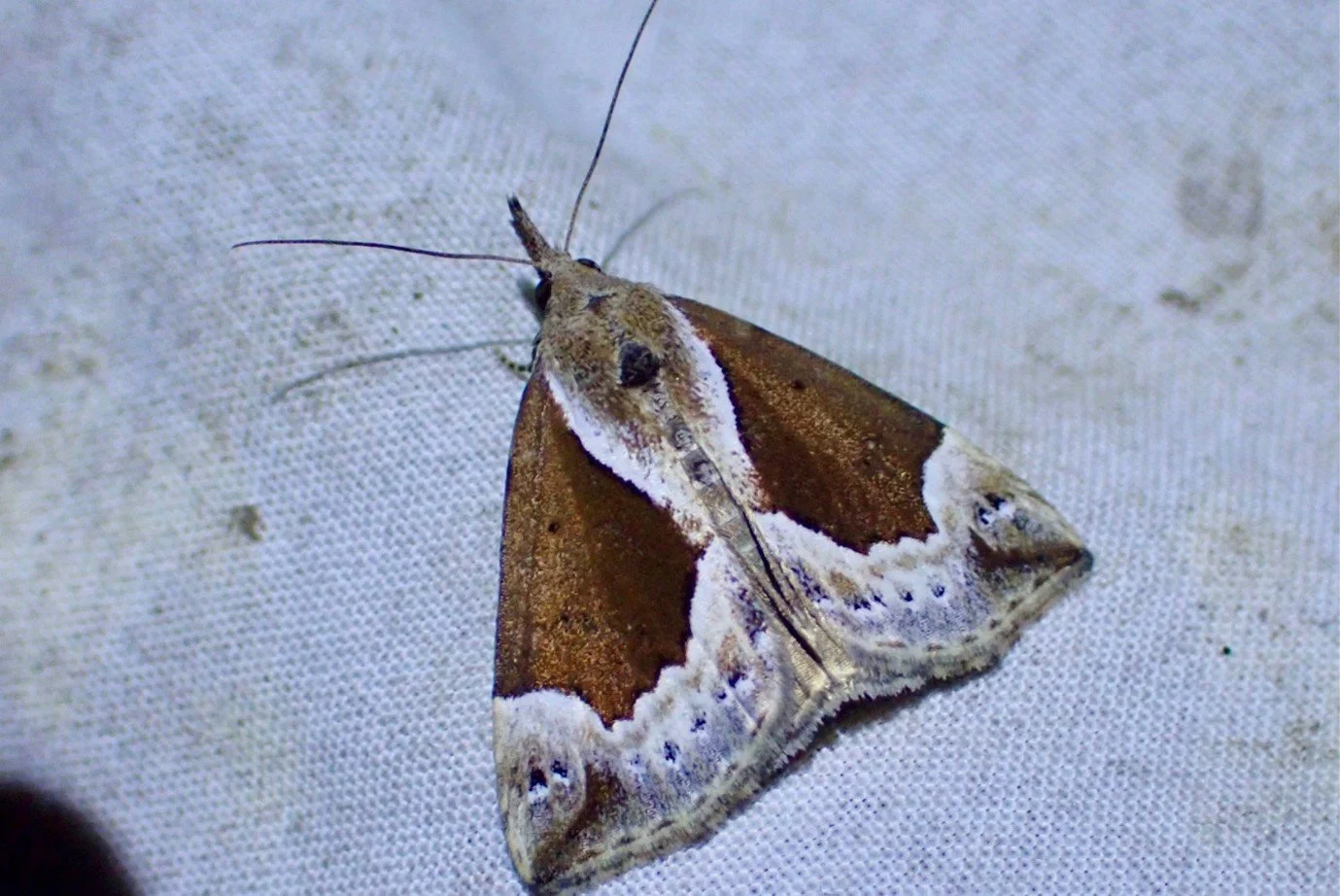
The park supports a range of nationally rare and scarce invertebrate species specific to the parkland and woodland habitats, particularly on its deadwood.
For more information on the park’s invertebrates click here.
-
Reptiles
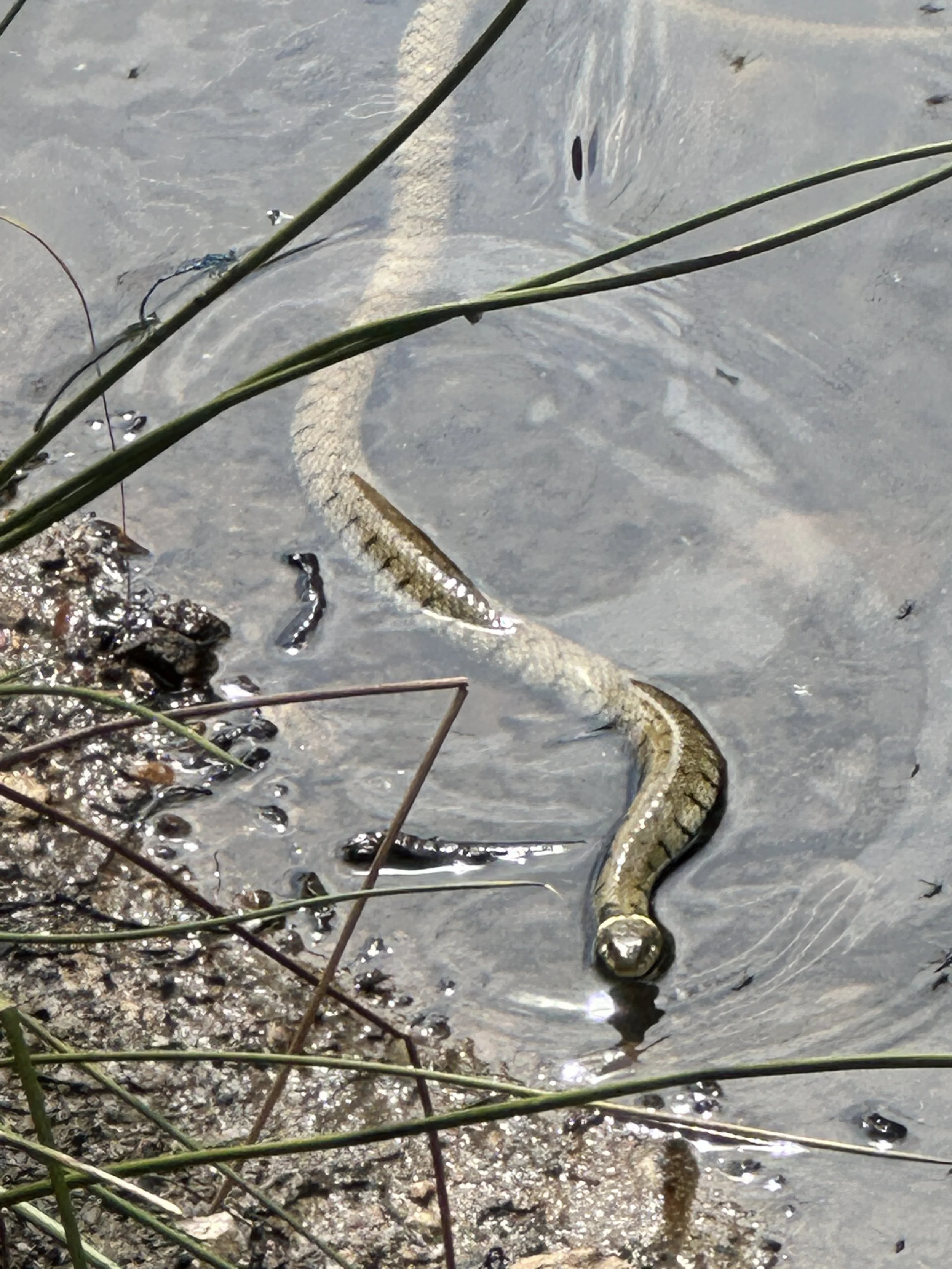
Surveys carried out in 2019 showed that Great Crested Newts were present in some areas of Knole Park. The park, commons and outside woods are also home to grass snakes, slowworms, smooth newts and common frogs.
-
Bats
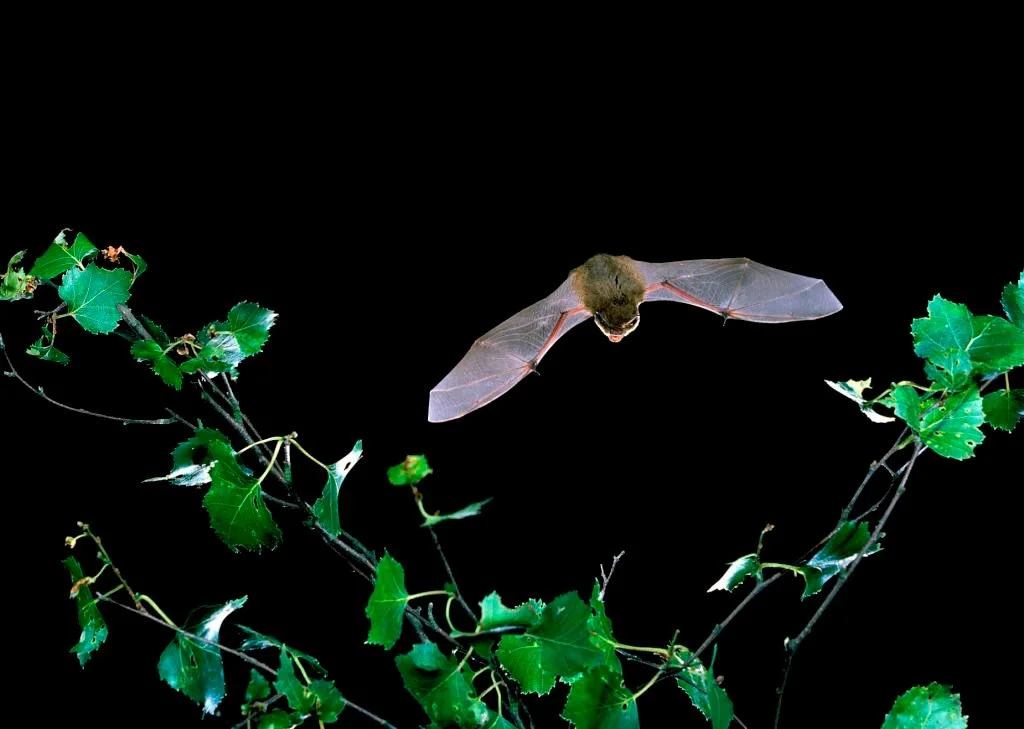
The Knole Estate supports at least nine different bats including the soprano pipistrelle, and the common pipistrelle.
-
Fungi
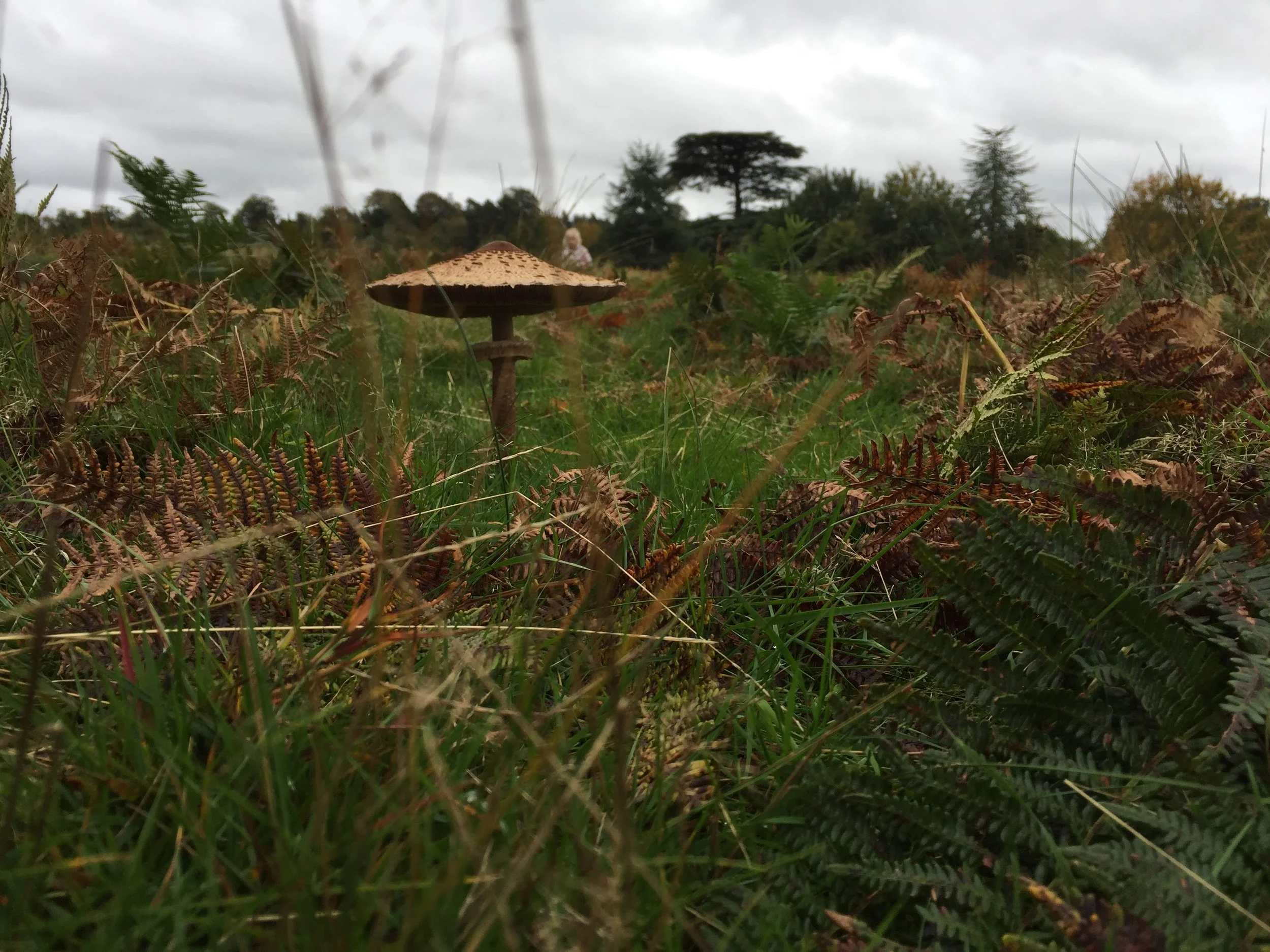
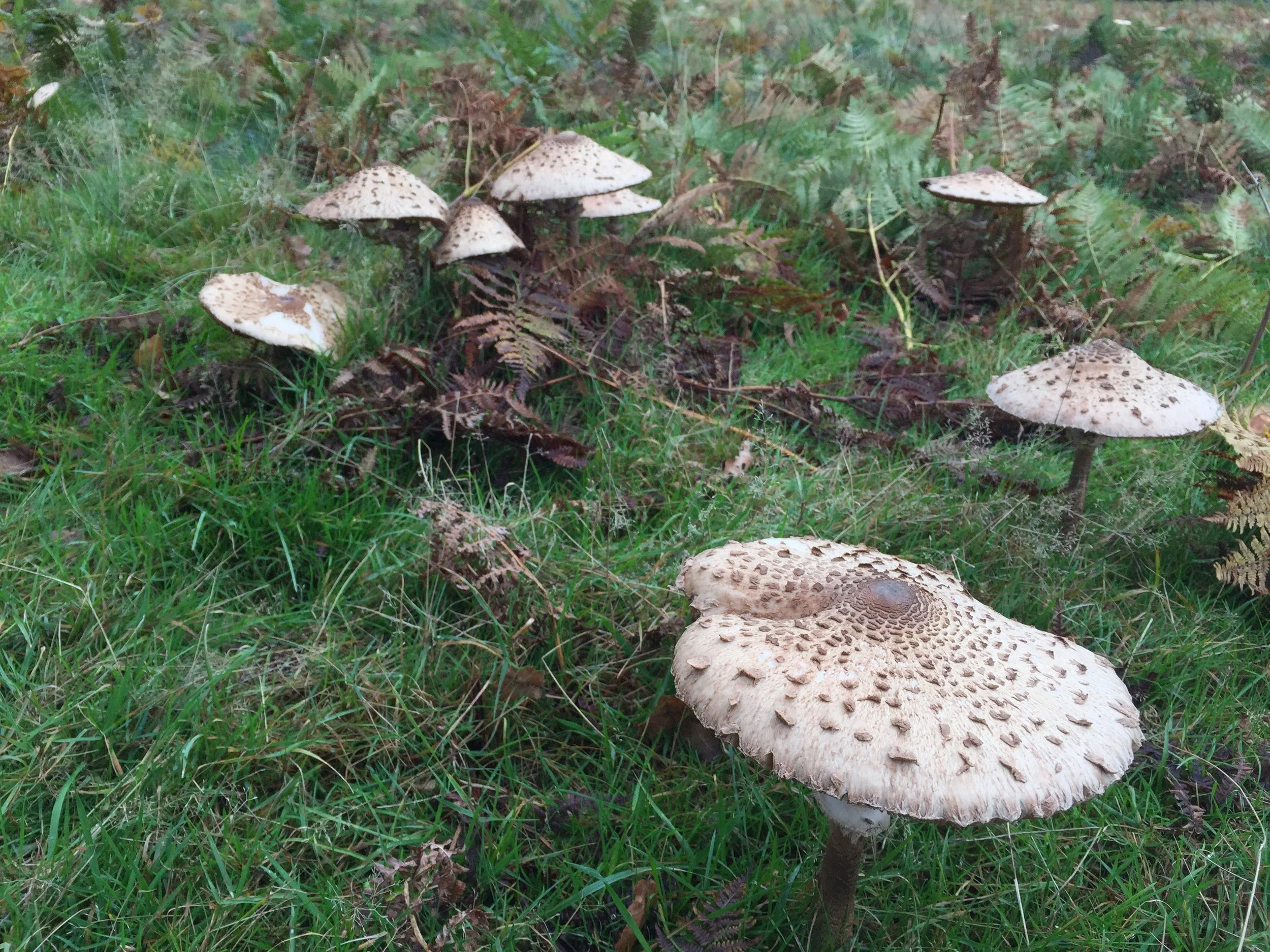
Many species of fungus have been recorded in Knole Park. For more information on the park’s mushrooms click here.
-
Flora
The majority of the woodland on the estate (both inside and outside the park) is ‘deciduous woodland’, dominated by oak, ash, sweet chestnut and beech with many retaining evidence of past coppice management, often of sweet chestnut. For more information on the park’s flora click here.