
Flora
The majority of the woodland on the estate (both inside and outside the park) is ‘deciduous woodland’, dominated by oak, ash, sweet chestnut and beech with many retaining evidence of past coppice management, often of sweet chestnut. Areas of secondary woodland have developed from former heaths and contain stands of birch and oak over bracken. field maple, ash, sycamore, downy birch, hawthorn, yew and scots pine can also be found in the park and outside woods.
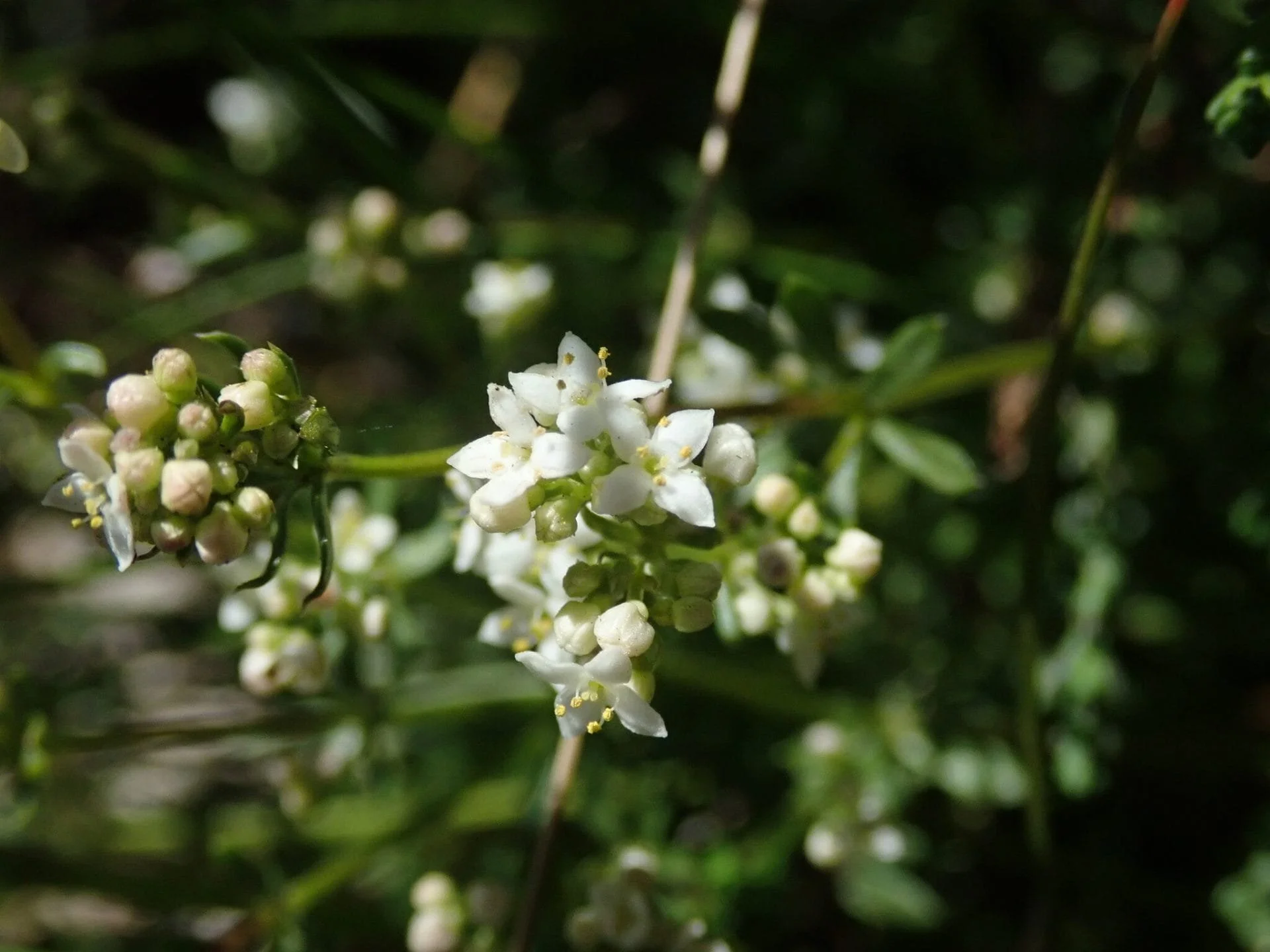
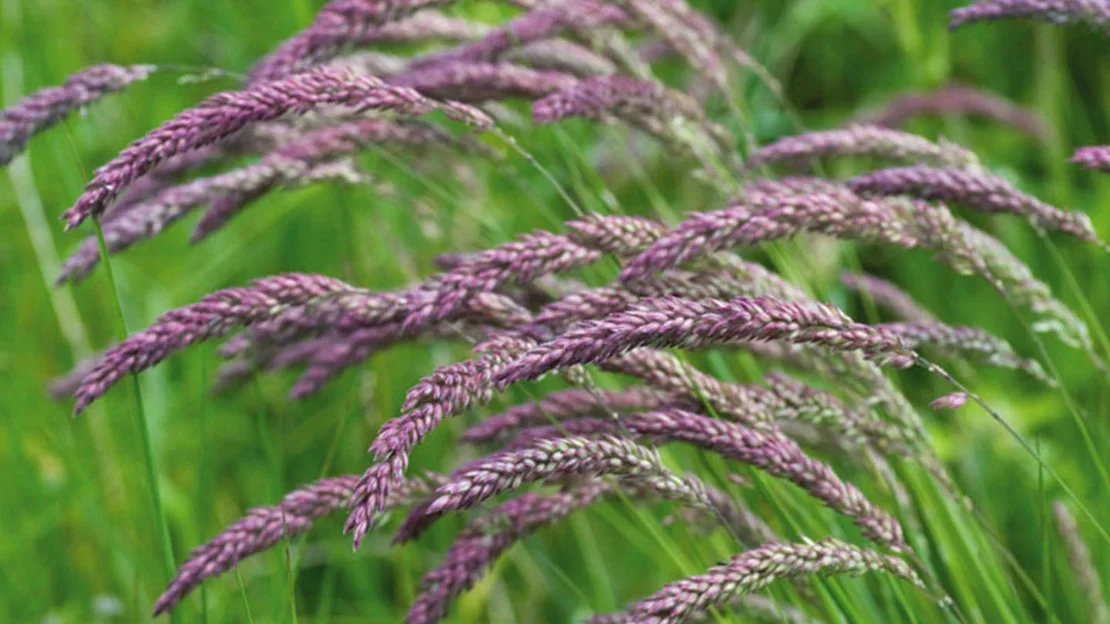
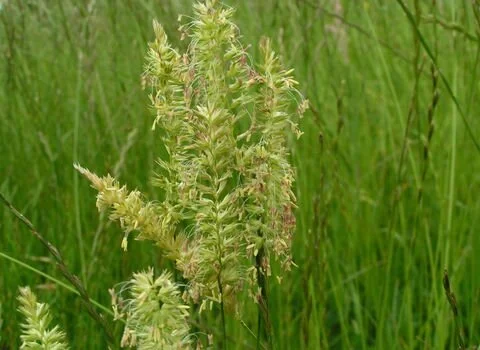
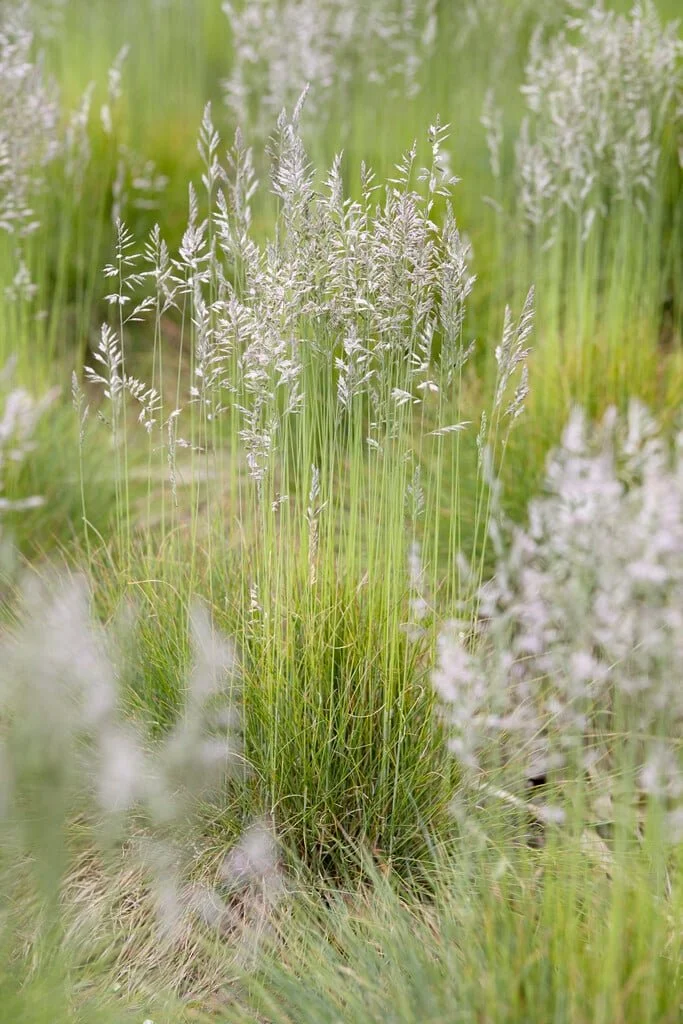
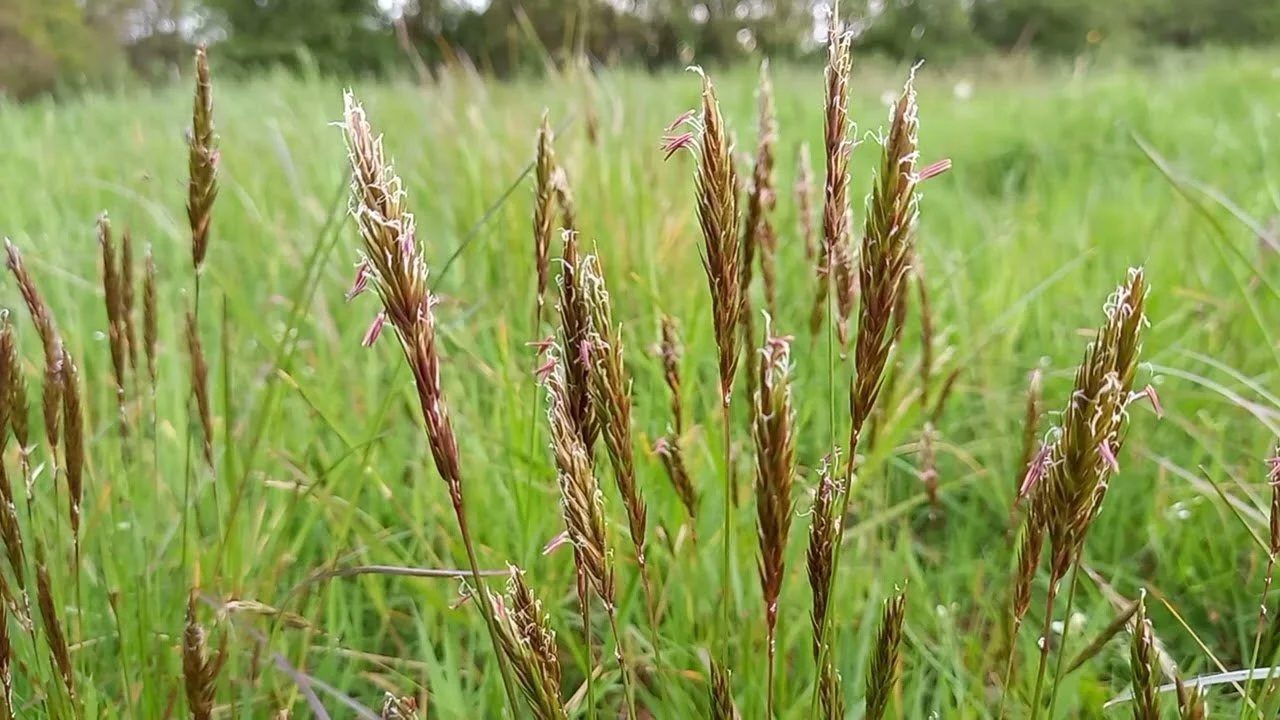
The central plateau in the Park supports species-poor acidic grasslands between the woodland areas. Common bent (Agrostis capillaris) dominates the turf, with sheep’s fescue (Festuca ovina), sweet vernal-grass (Anthoxanthum odoratum), heath grass (Danthonia decumbens), sheep’s-sorrel (Rumex acetosella) and heath bedstraw (Galium saxatile). More fertile grasslands occur on the golf course and in the valley bottoms. These are dominated by common bent and Yorkshire-fog (Holcus lanatus) together with crested dog’s-tail (Cynosaurus cristatus).
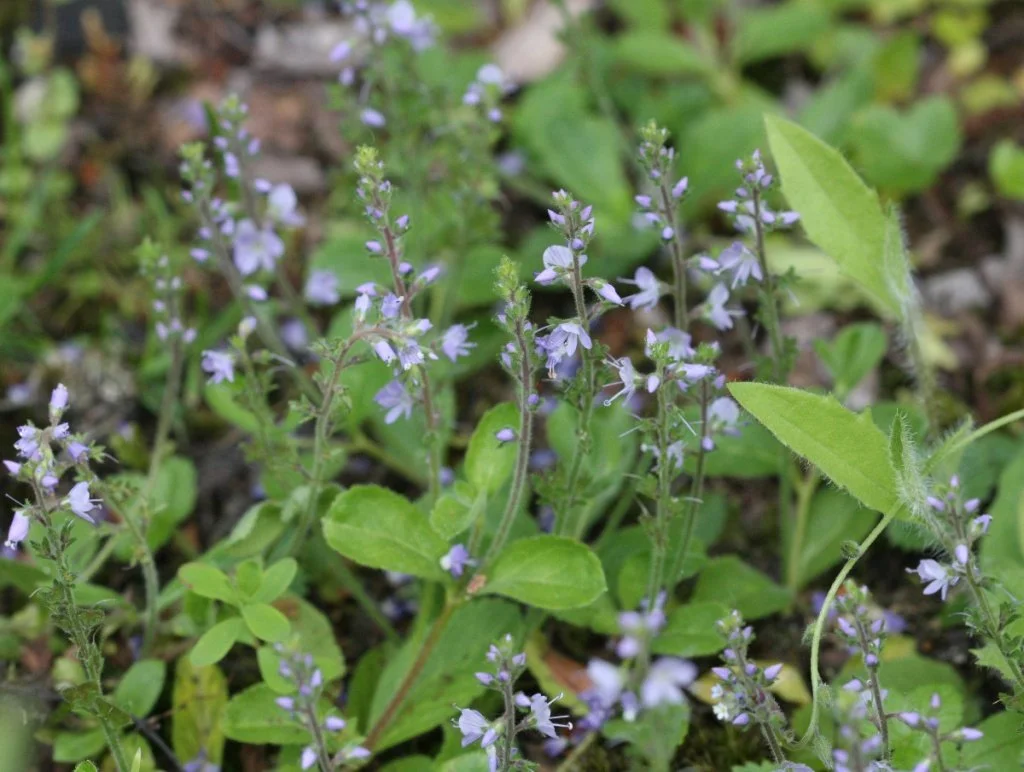
A survey conducted in the park in 2019 found Harebell (Campanula rotundifolia), heath speedwell (Veronica officinalis) and tormentil (Potentilla erecta), each of which are listed as ‘Near Threatened’ on the red list of vascular plants for England. Trailing tormentil (Potentilla anglica) and its hybrid with common cinquefoil (P. reptans) were also found in the park and both of these species are considered uncommon in Kent.
The trees, turf and masonry of walls and buildings support a lichen flora of importance. The first British record for the lichen Parmelia elegantula was made from a sycamore at Knole.