Invertebrates
The park supports a range of nationally rare and scarce invertebrate species which depend upon the parkland and woodland habitats, particularly on their dead wood components. A nationally rare beetle Platypus cylindrus is found in the ancient broad-leaved forest and parkland, boring into thick oak bark. A number of nationally scarce invertebrates occupy various ecological niches in the woodlands and parkland of this site. These include:
Cerylon fagi lives under bark and in dead wood habitats.
Bolitochara mulsanti, a small rove beetle found under fungus-infected bark and in decaying fungus.
Dienerella elongata a tiny beetle found in leaf litter, moss and fungi on this site.
Several nationally scarce and local dung beetles, including Aphodius zenkeri and Aphodius borealis which feed on the dung of the deer.
The grass sward in the park contains numerous ant hills. At least three ant species are known to inhabit the park and these were most recently surveyed in 2019. Species include Temnothorax nylanderi which commonly inhabits woodland bark and rotten wood, as well as the black garden ant (Lasius niger) and the yellow meadow ant (Lasius flavus). The black garden ant is common in southern Britain particularly within parks and gardens and favours nesting in dry, open positions. The yellow meadow ant builds long-lasting mounds in undisturbed grassland and meadows, nests are found in a range of open sunny habitats such as parks and gardens, as in this case within Knole Park.
Outside the park on One Tree Hill and Bitchett Common a range of invertebrates that have a restricted distribution can be found. These include the only known British location for the slug Tandonia rustica as well as the nationally scarce point snail (Acicula fusca) and Rolph’s door snail (Macrogastra rophii).
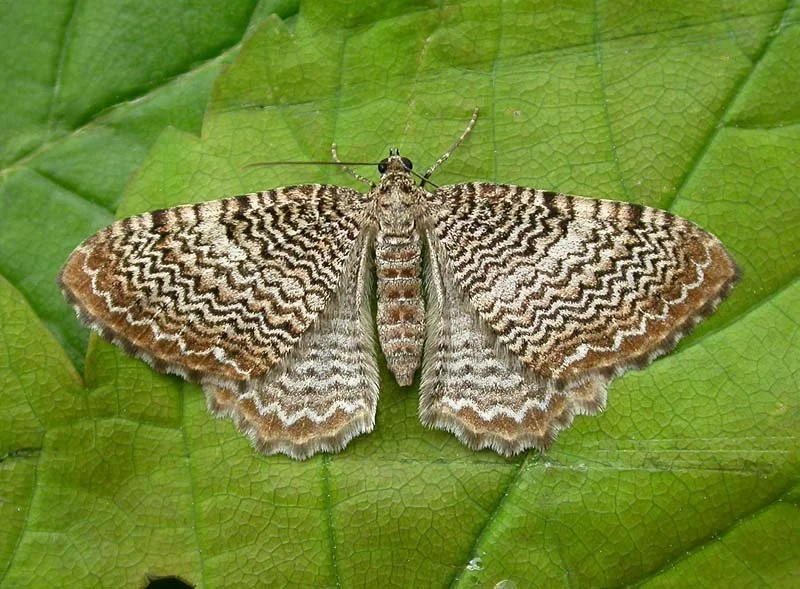
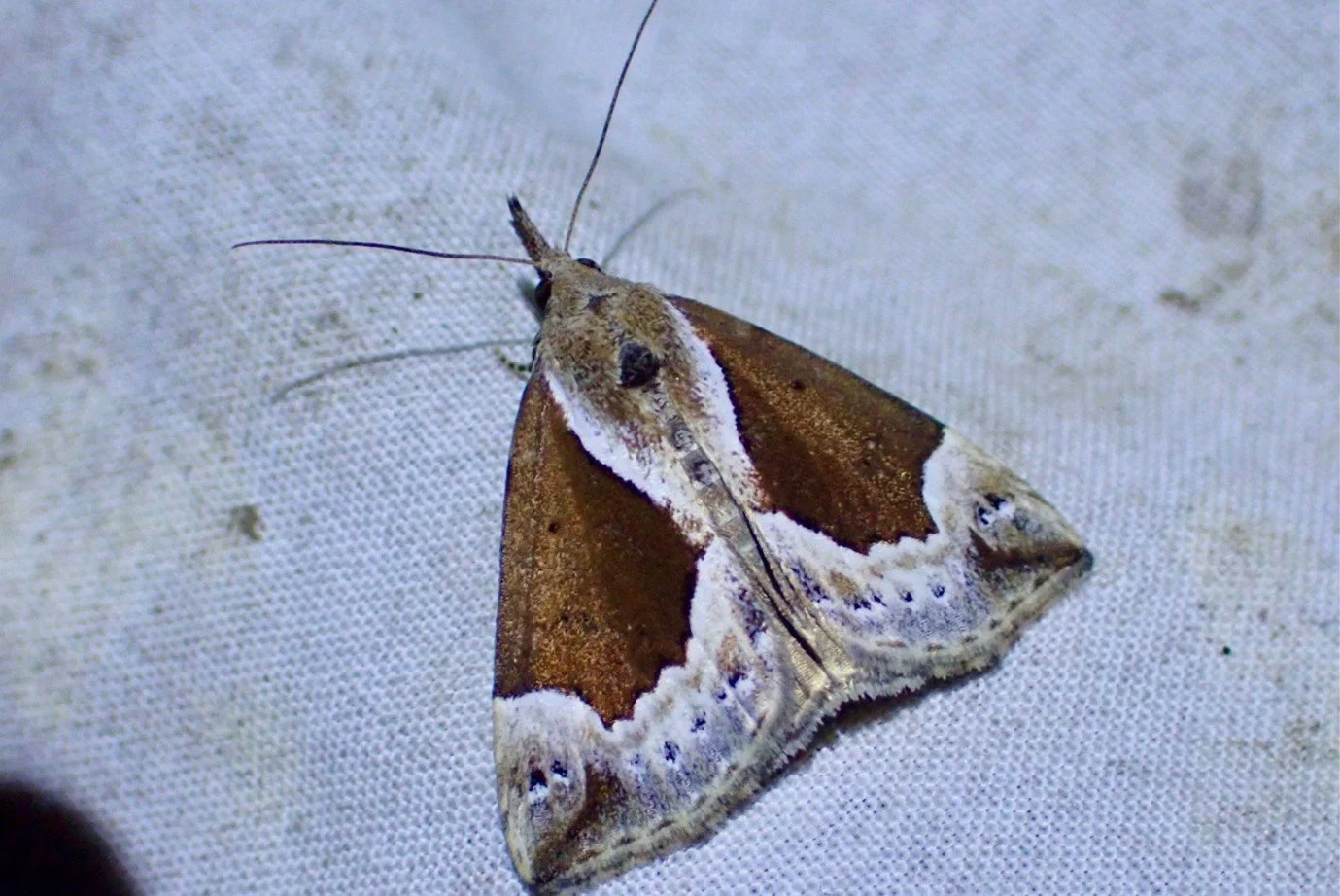
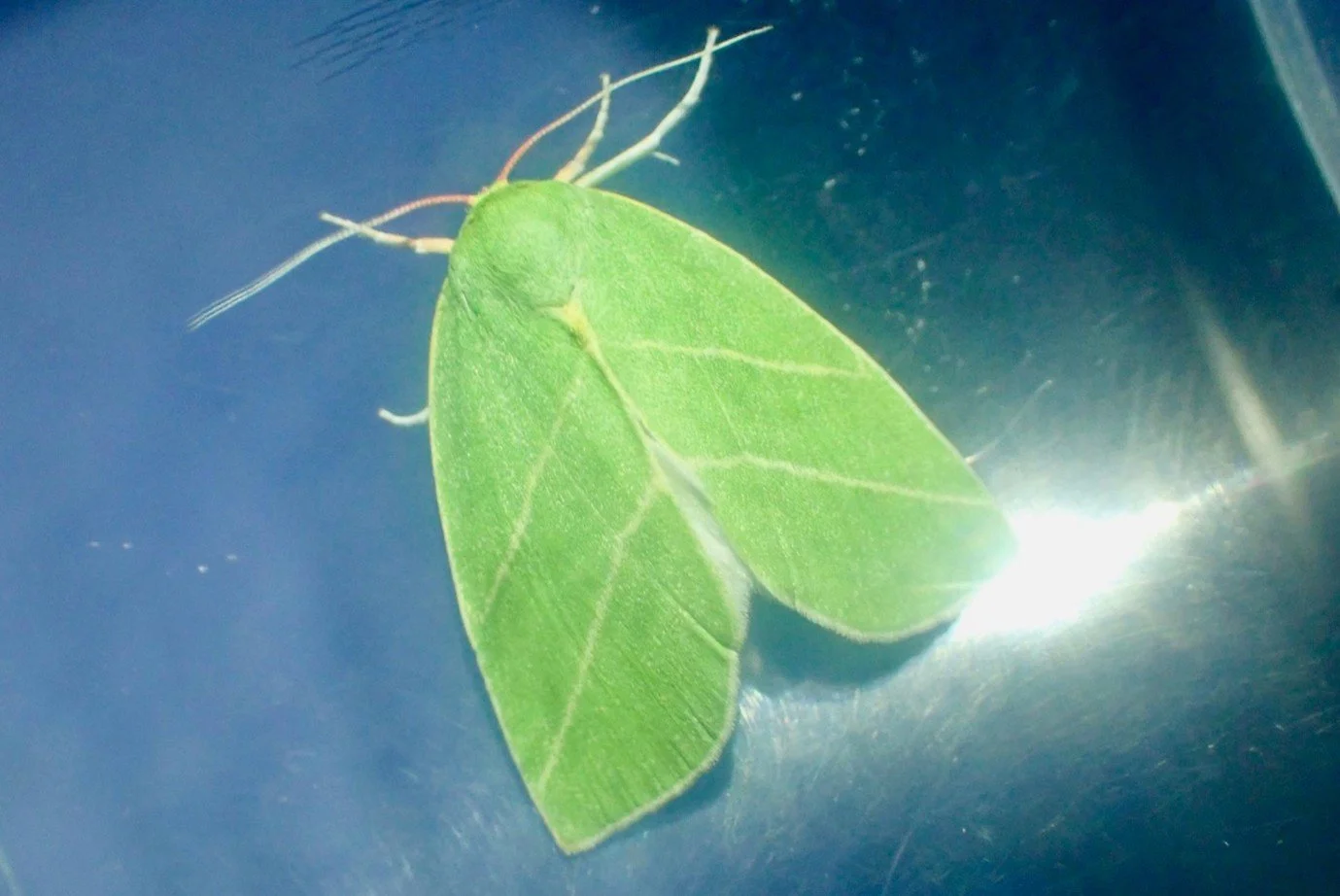
The woodlands at Oldbury and Seal Chart Common support a characteristic invertebrate fauna including the solitary bee Andrena lapponica at its only known site in Kent. Seal Chart Common supports over 300 species of moth including Little Thorn, Beautiful Snout, Gold Swift and Bilberry & Lead-Coloured Pug. A volunteer survey in 2024 found three species of moth which are new to the site:
Coleophora juncicolella – typically a northern micro-moth whose larva lives in a case on heather. This is now the only known site for these moths in Kent, they were last recorded in 1983 at nearby Oldbury.
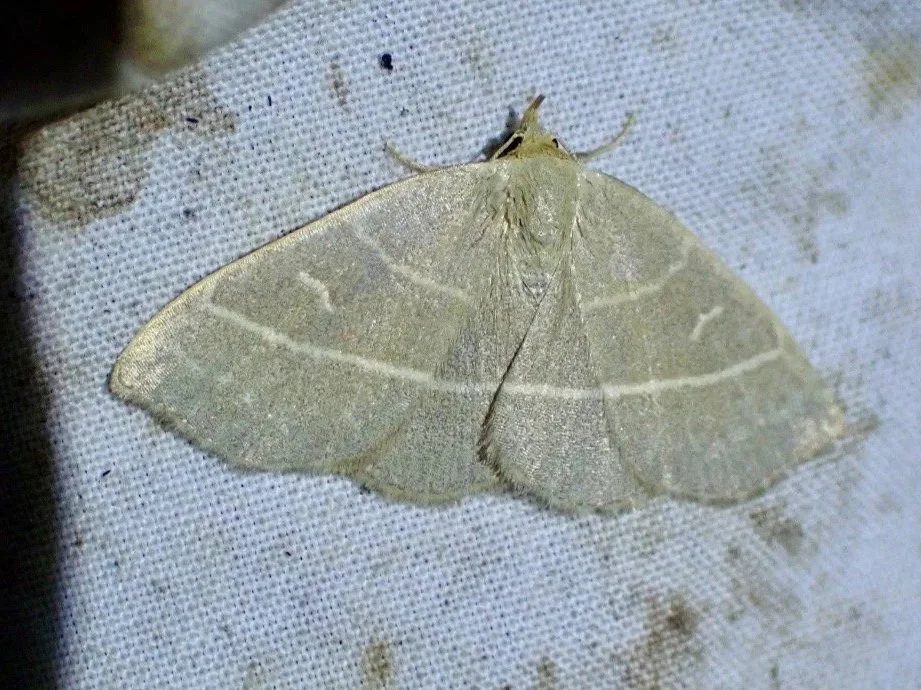
Olive Crescent – Two adults of this nationally scarce species were recorded in 2024. The moth is spreading slowly from its stronghold in East Kent, and there were multiple records along the Greensand Ridge this year for the first time. Foodplant is oak/beech, so probably now resident on site.
Cloaked Pug – There are only thirteen recorded siting of this species in Kent. It remains unclear whether it is breeding or migratory moth and it feeds of fir/spruce.