
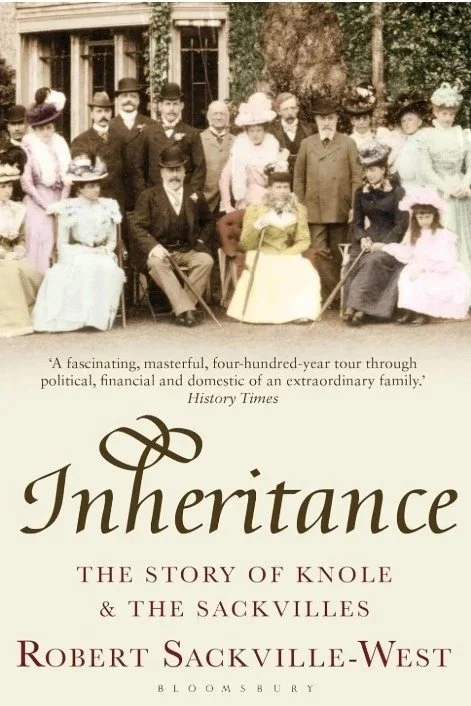
Inheritance
Since its purchase in 1604 by Thomas Sackville, 1st Earl of Dorset, the house at Knole, Kent, has been inhabited by thirteen generations of a single aristocratic family, the Sackvilles. Here, drawing on a wealth of unpublished letters, archives and images, the current incumbent of the seat, Robert Sackville-West, paints a vivid and intimate portrait of the vast, labyrinthine house and the close relationships his colourful ancestors formed with it.
Inheritance is the story of a house and its inhabitants, a family described by Vita Sackville-West as 'a race too prodigal, too amorous, too weak, too indolent and too melancholy; a rotten lot, and nearly all stark staring mad'. Where some revelled in the hedonism of aristocratic life, others rebelled against a house which, in time, would disinherit them, shutting its doors to them forever. It's a drama in which the house itself is a principal character, it's fortunes often mirroring those of the family. Every detail holds a story: the portraits, and and all the junk which the subjects of those portraits left behind, point to pivotal moments in history; all the rooms, and the objects that fill them, are freighted with an emotional significance that has been handed down from generation to generation.
Now owned by the National Trust, Knole is today one of the largest houses in England, visited by thousands annually and housing one of the country's finest collections of second-hand Royal furniture. It's a pleasure to follow Robert Sackville-West, as he unravels the private life of a public place on a fascinating, masterful, four-hundred-year tour through the memories and memorabilia, political, financial and domestic, of his extraordinary family.
(Bloomsbury.com)
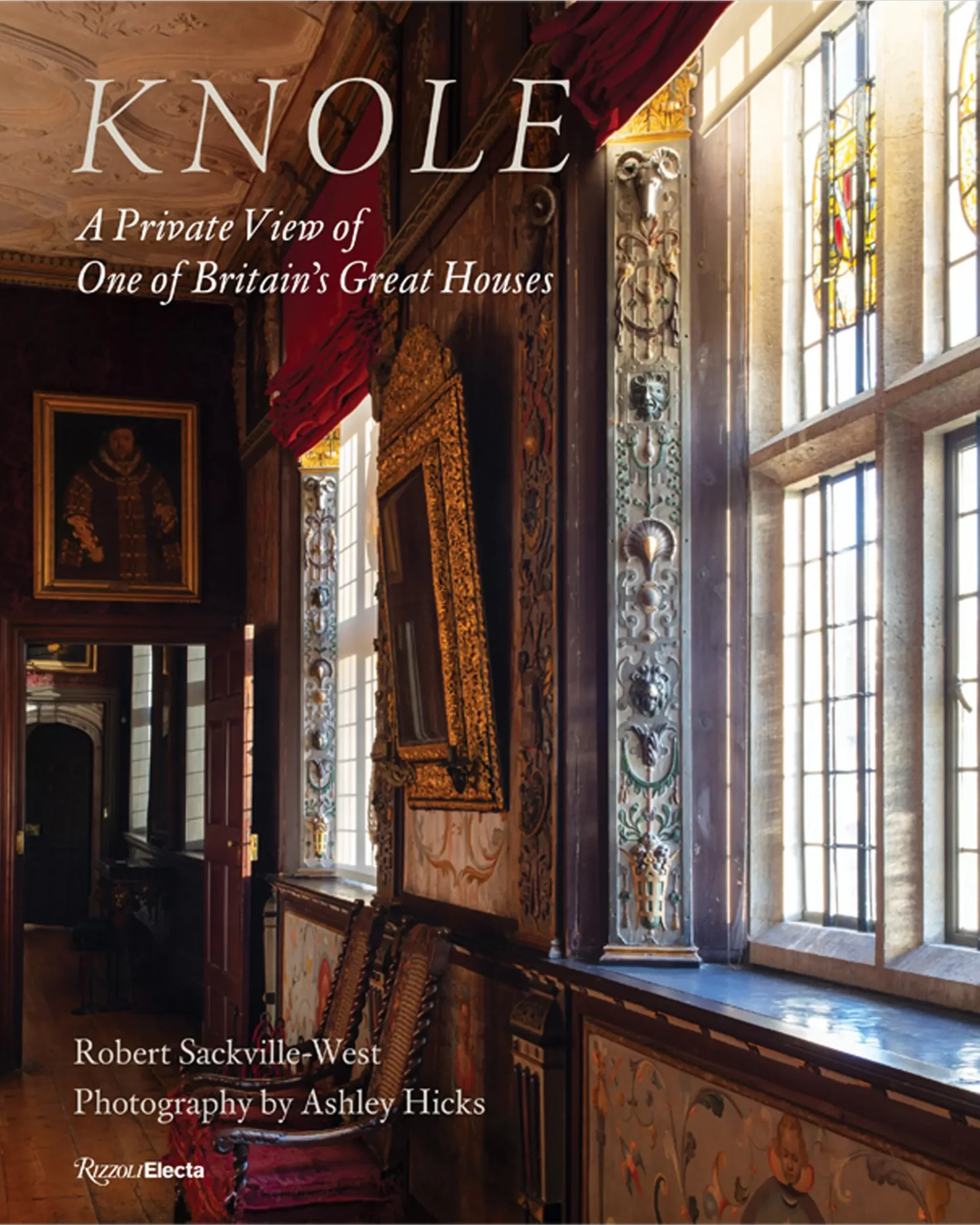
Knole
A Private View of One of Britain’s Great Houses
Sumptuous photographs by designer Ashley Hicks (who recently photographed the interiors of Buckingham Palace) capture the smouldering spirit of the place: from the state rooms, which house possibly the finest collection of royal Stuart furniture in the world, to the private apartments and gardens, to the behind-the-scenes labyrinth of cellars and attics. Knole provides a window onto English history.
The characters who people the pages of the book the grave Elizabethan statesman, the good-for-nothing gadabout at the seedy Court of King James I, the dashing Cavalier, the Restoration rake, the 3rd Duke, that magnificent and melancholy representative of the ancien regime, the whiskery and dark-hearted Mortimer who caused three nights of rioting in 1884 by closing the park to visitors are all representative of their age (members of a family described by Vita Sackville-West as a race too prodigal, too amorous, too weak, too indolent, and too melancholy : in short, a rotten lot, and nearly all stark staring mad. Of course, Vita s torn legacy with the property prompted her dear friend Virginia Woolf to pen Orlando, furthering the place s fame and glamorous lustre.
Similarly, the architectural and decorative features of the house, so splendidly revealed by Ashley s photographs, illustrate the different tastes of successive ages, from Thomas Sackville s seventeenth-century makeover of a ramshackle medieval mansion to an early twentieth-century suite of rooms designed in the Bohemian style. Knole has never been illuminated in this way before.
(Amazon.com)
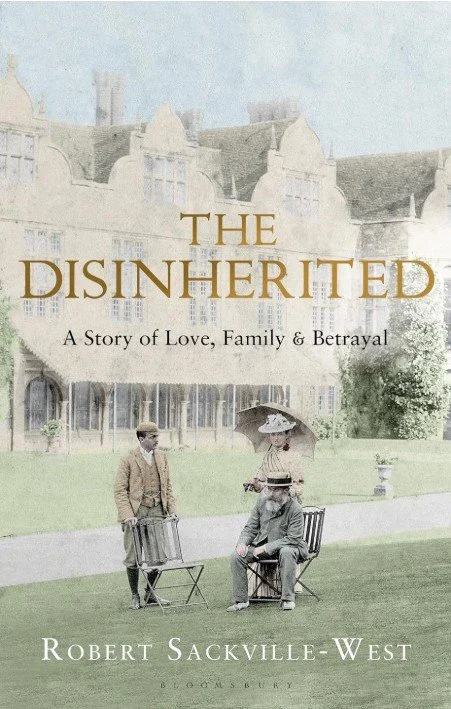
The Disinherited
In the small hours of the morning of 3 June 1914, a woman and her husband were found dead in a sparsely furnished apartment in Paris. It was only when the identity of the couple was revealed in the English press a fortnight later that the full story emerged. The man, Henry Sackville-West, had shot himself minutes after the death of his wife from cancer; but Henry's suicidal despair had been driven equally by the failure of his claim to be the legitimate son of Lord Sackville and heir to Knole. The Disinherited reveals the secrets and lies at the heart of an English dynasty, unravelling the parallel lives of Henry's four illegitimate siblings: in particular his older sister, Victoria, who on becoming Lady Sackville and mistress of Knole, by marriage, consigned her brothers and sisters to lives of poverty and disappointment.
(Bloomsbury.com)